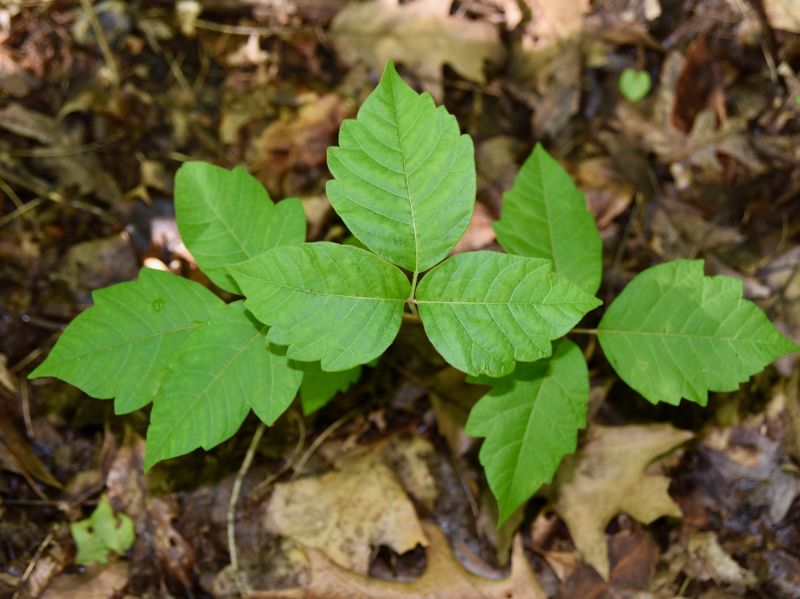
Poison Ivy Removal in Burlington County, NJ
Poison ivy removal services are designed to help homeowners safely eliminate this invasive plant from their properties. These services typically cover a variety of projects, including clearing poison ivy from yards, gardens, fences, and wooded areas. Property owners often request removal to prevent skin irritation, protect children and pets, and maintain the overall appearance and safety of outdoor spaces. Proper removal is essential to prevent the plant from spreading further and to reduce the risk of allergic reactions, making professional assistance a valuable option.
Before requesting poison ivy removal, property owners should consider the extent of the infestation and the location of the plants. It’s important to communicate whether the poison ivy is growing near desirable landscaping, trees, or structures, as this can influence the approach taken. Understanding the size of the affected area and any accessibility concerns can help ensure the removal process is effective and safe. Clear information about the property’s landscape will assist in planning the best strategy for thorough and safe removal.
Many property owners in Burlington County, NJ look into Poison Ivy Removal for repairs, replacements, upgrades, and appearance-related improvements.
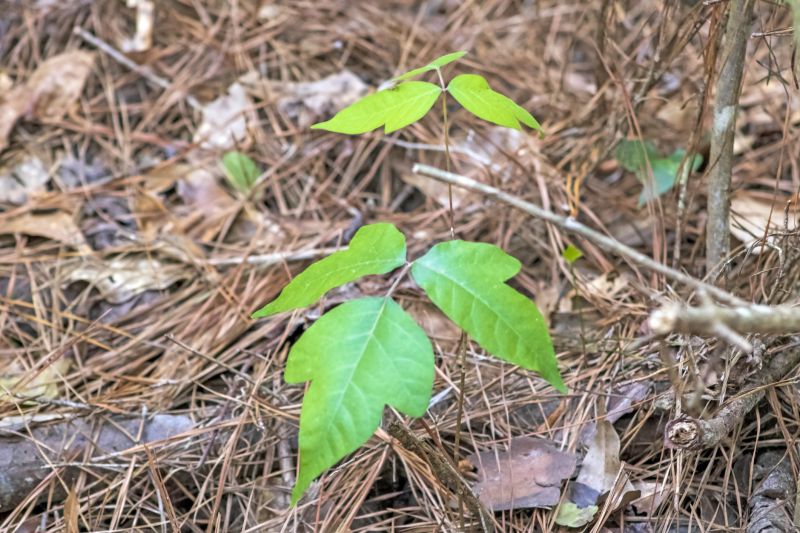
Poison Ivy Identification
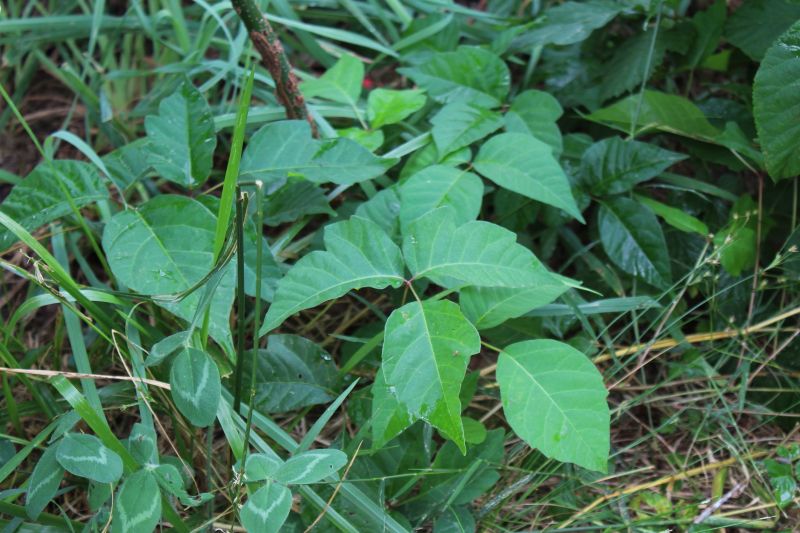
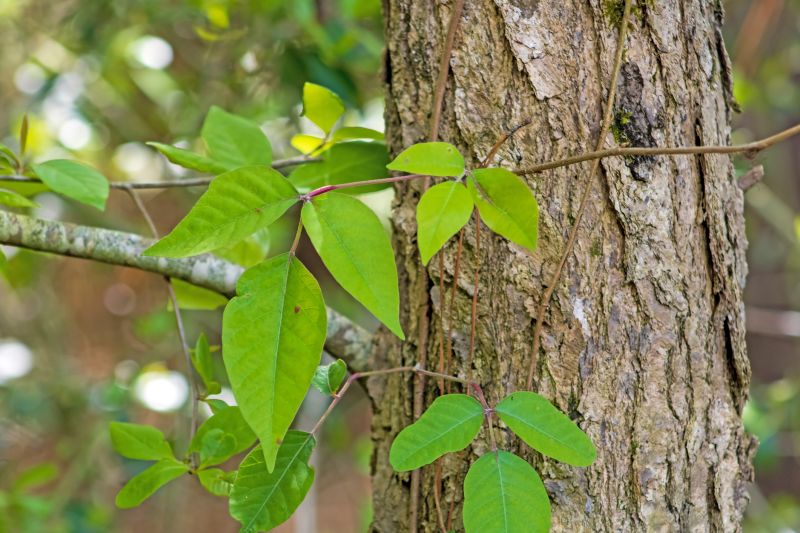
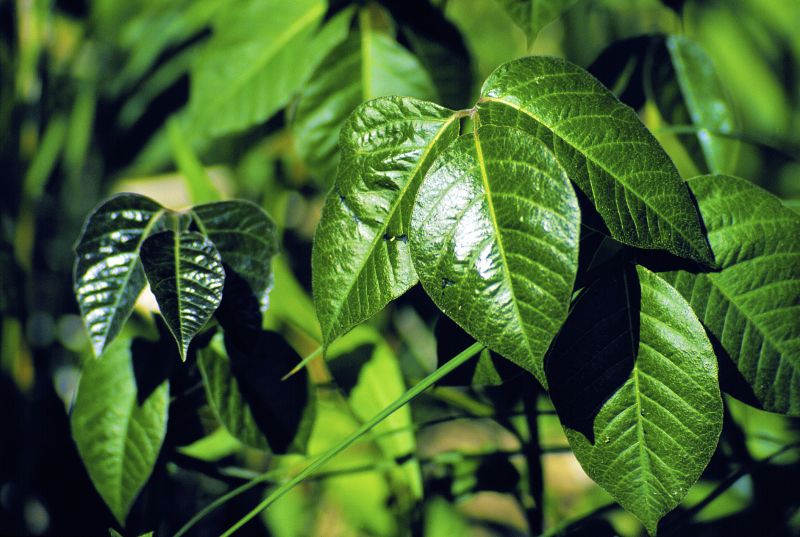
Recognizing poison ivy on residential and commercial properties in burlington county helps prevent skin irritation and spread.
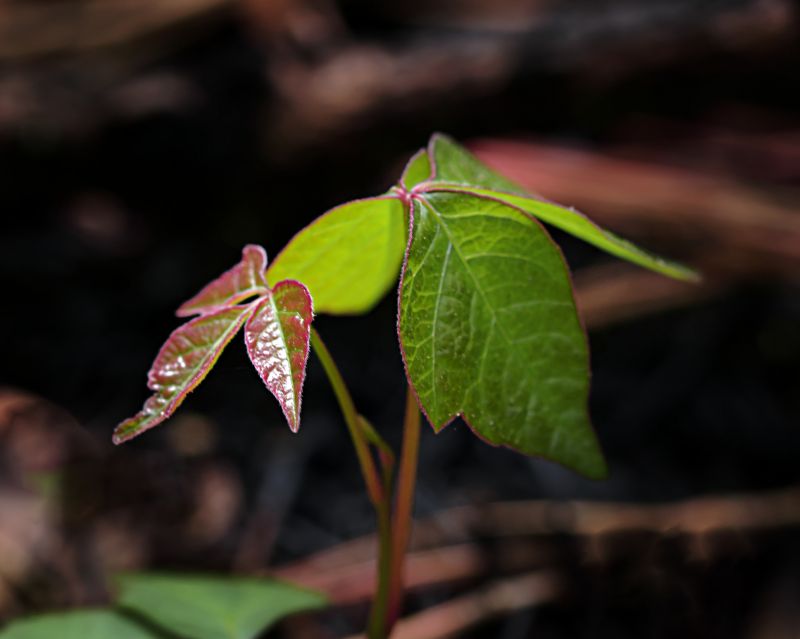
Removal Techniques
Effective removal methods ensure the safe and thorough clearing of poison ivy from yards, fences, and landscape areas.
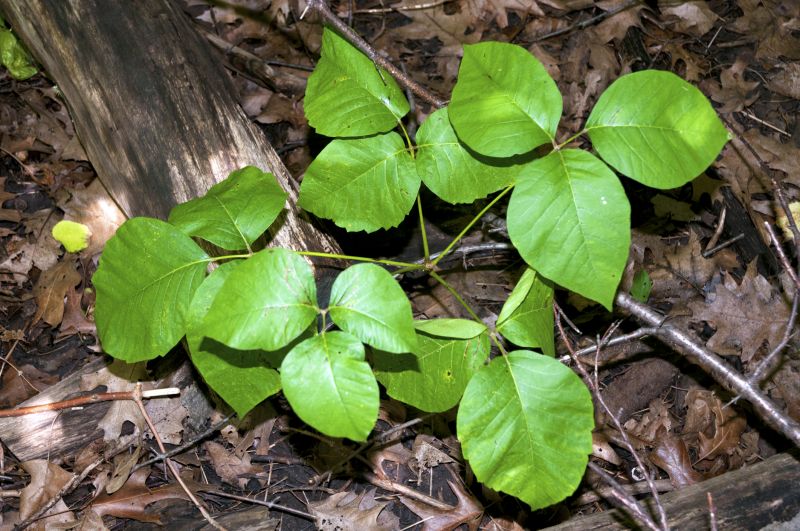
Property Safety And Maintenance
Proper removal and ongoing maintenance reduce the risk of exposure and protect the health of residents and visitors.
Poison Ivy Removal in Burlington County, NJ
Poison ivy removal services are designed to help homeowners safely eliminate this invasive plant from their properties. These services typically cover a variety of projects, including clearing poison ivy from yards, gardens, fences, and wooded areas. Property owners often request removal to prevent skin irritation, protect children and pets, and maintain the overall appearance and safety of outdoor spaces. Proper removal is essential to prevent the plant from spreading further and to reduce the risk of allergic reactions, making professional assistance a valuable option.
Before requesting poison ivy removal, property owners should consider the extent of the infestation and the location of the plants. It’s important to communicate whether the poison ivy is growing near desirable landscaping, trees, or structures, as this can influence the approach taken. Understanding the size of the affected area and any accessibility concerns can help ensure the removal process is effective and safe. Clear information about the property’s landscape will assist in planning the best strategy for thorough and safe removal.
Many property owners in Burlington County, NJ look into Poison Ivy Removal for repairs, replacements, upgrades, and appearance-related improvements.
Common Poison Ivy Removal Jobs
Poison Ivy Removal - Safely eliminates poison ivy from yards, fences, and landscaping.
Yard Clearing - Clears overgrown areas affected by poison ivy to prevent spread.
Property Maintenance - Maintains a safe outdoor environment by removing invasive plants.
Landscaping Cleanup - Restores the appearance of properties after poison ivy removal.
Vegetation Control - Manages plant growth to reduce future poison ivy growth.
Fence Line Clearing - Removes poison ivy from along fences and property boundaries.
Poison Ivy Removal Questions
What are the signs of poison ivy on a property? Common signs include clusters of three-leafed plants with reddish stems and shiny, hairy leaves that can cause skin irritation upon contact.
Is poison ivy removal necessary for safety? Removal helps prevent accidental contact and skin reactions, especially in areas with frequent foot traffic or outdoor activities.
What methods are used for poison ivy removal? Techniques typically include manual removal, herbicide application, and careful disposal to ensure the plant is fully eradicated.
Can poison ivy grow back after removal? Yes, if roots or underground parts remain, poison ivy can regrow, making proper removal and monitoring important.
Request Poison Ivy Removal in Burlington County, NJ
Use the quote form on this page to share the basics of your project and request more information for the type of work you need.