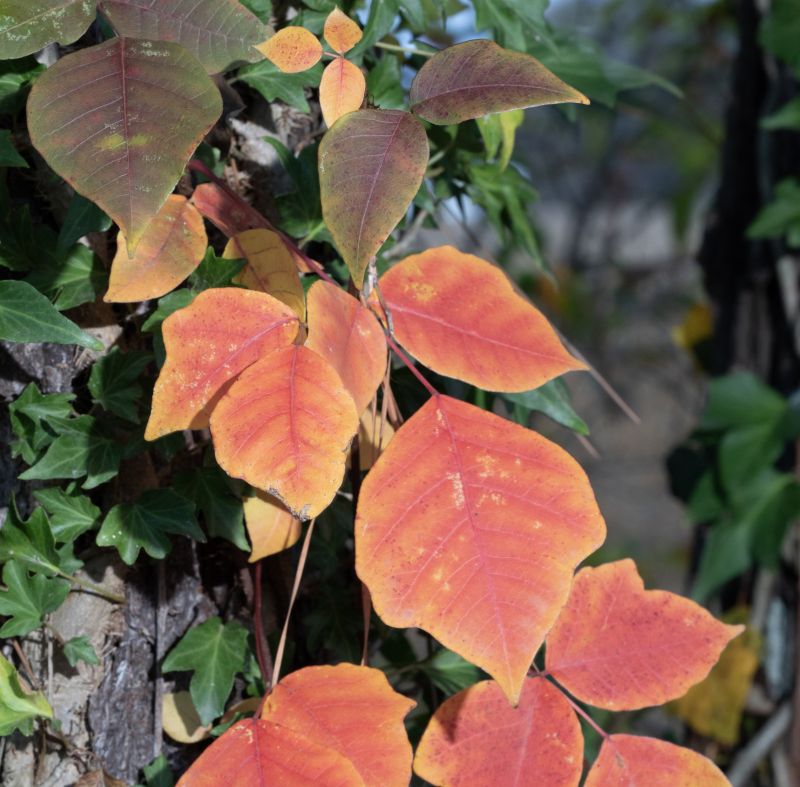
Poison Oak Removal in Wilmington, DE
Poison oak removal services focus on safely eliminating this toxic plant from residential properties, helping homeowners maintain safe outdoor spaces. These services typically cover projects such as clearing poison oak from yards, gardens, fences, and wooded areas, especially in locations where the plant poses a risk to children, pets, or anyone with skin sensitivities. Property owners often inquire about the best methods for removal, whether the process involves manual removal, herbicide application, or a combination of techniques, to ensure the plant is completely eradicated and does not regrow.
Before requesting poison oak removal, property owners usually want to understand the extent of the infestation, the potential risks involved, and the best approach for their specific landscape. It’s also common to seek guidance on how to prevent future growth and what safety precautions should be taken during the removal process. Clear communication about the scope of work and any necessary preparations can help ensure the project proceeds smoothly and safely.
Many property owners in Wilmington, DE look into Poison Oak Removal for repairs, replacements, upgrades, and appearance-related improvements.
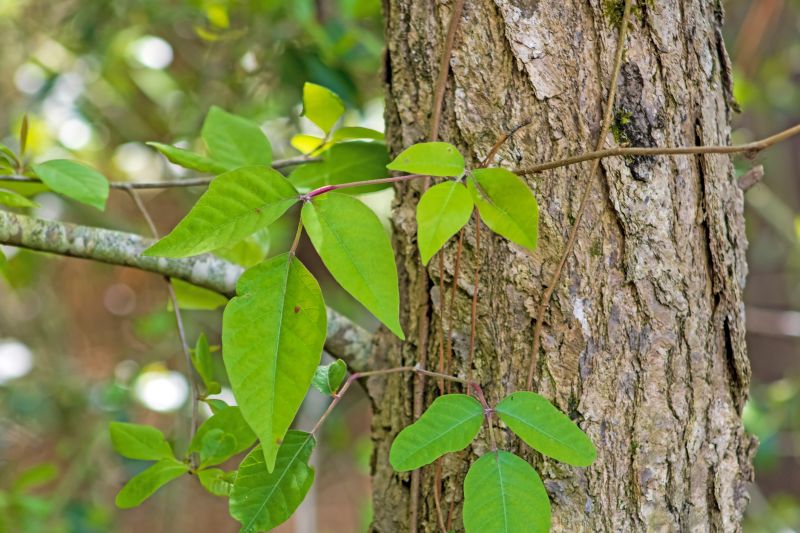
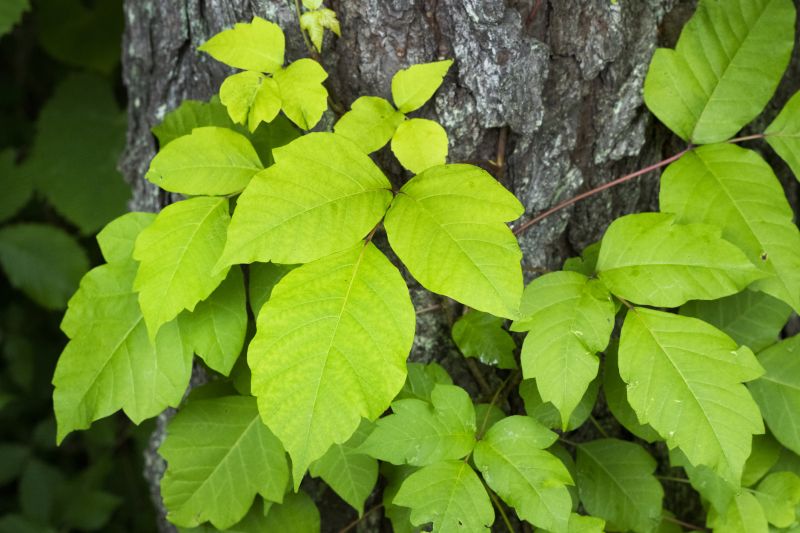
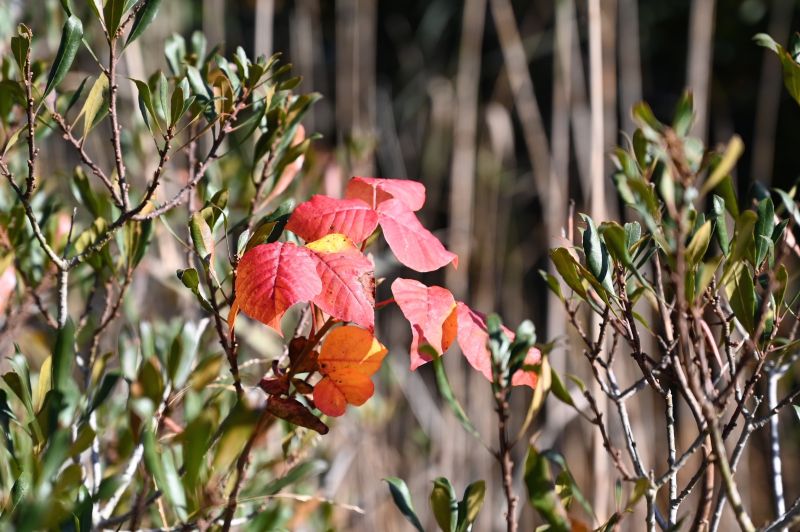
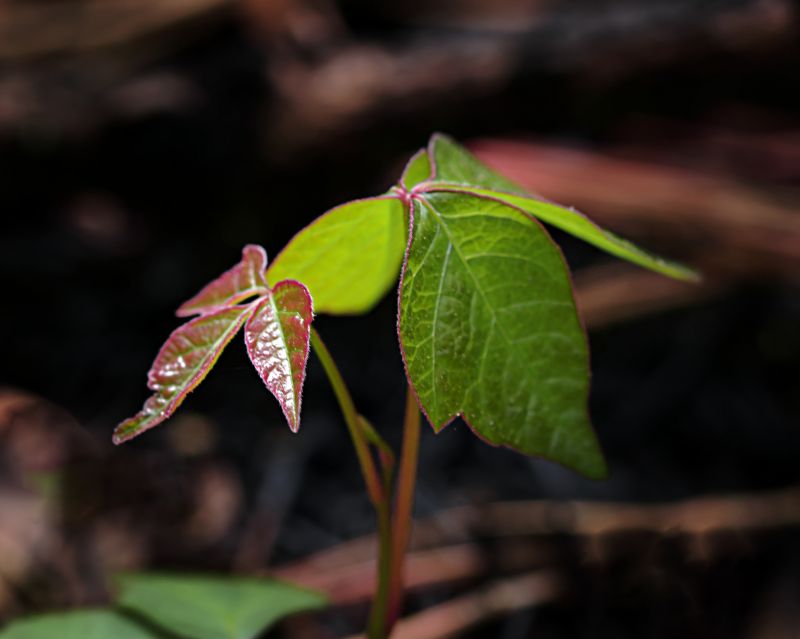
Identifying Poison Oak
Recognizing poison oak helps prevent skin irritation and allergic reactions on residential and commercial properties.
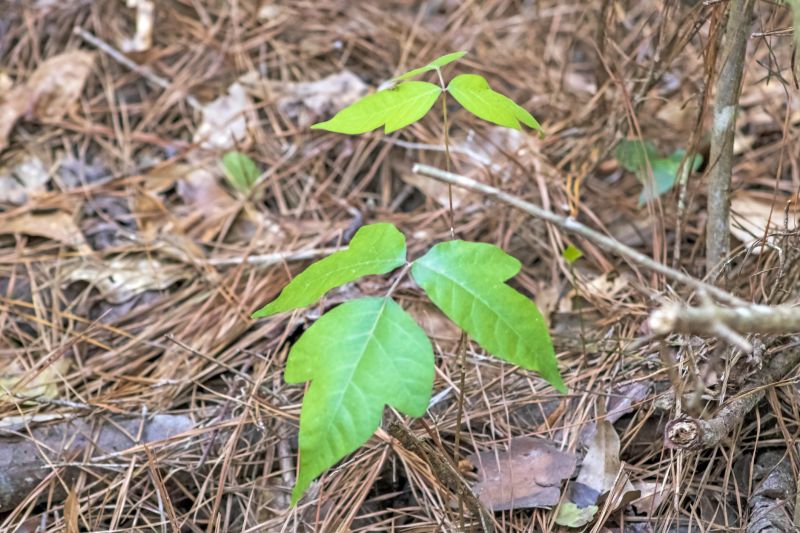
Safe Removal Techniques
Professional removal ensures safe elimination of poison oak to protect health and maintain landscape integrity.
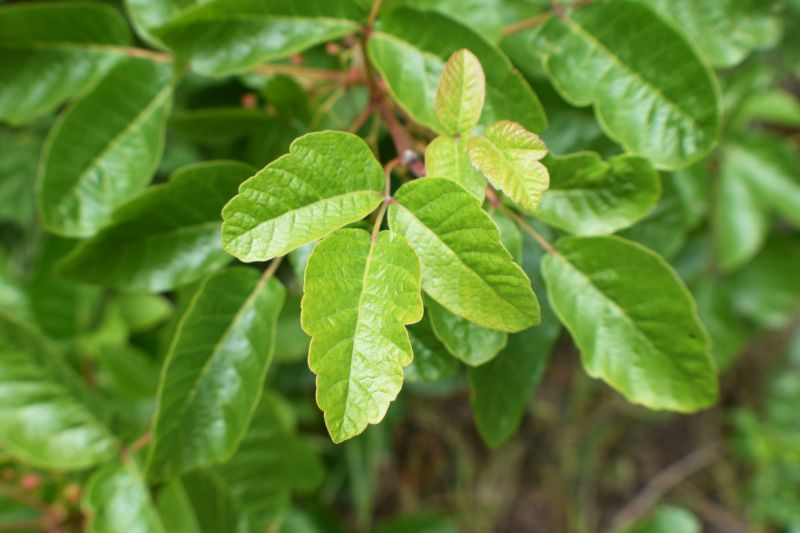
Property Maintenance Tips
Proper management reduces the risk of poison oak spreading in wilmington and nearby areas.
Poison Oak Removal in Wilmington, DE

Poison oak removal services focus on safely eliminating this toxic plant from residential properties, helping homeowners maintain safe outdoor spaces. These services typically cover projects such as clearing poison oak from yards, gardens, fences, and wooded areas, especially in locations where the plant poses a risk to children, pets, or anyone with skin sensitivities. Property owners often inquire about the best methods for removal, whether the process involves manual removal, herbicide application, or a combination of techniques, to ensure the plant is completely eradicated and does not regrow.
Before requesting poison oak removal, property owners usually want to understand the extent of the infestation, the potential risks involved, and the best approach for their specific landscape. It’s also common to seek guidance on how to prevent future growth and what safety precautions should be taken during the removal process. Clear communication about the scope of work and any necessary preparations can help ensure the project proceeds smoothly and safely.
Many property owners in Wilmington, DE look into Poison Oak Removal for repairs, replacements, upgrades, and appearance-related improvements.
Common Poison Oak Removal Jobs
Poison Oak Removal - Safely eliminates poison oak plants from residential landscapes.
Yard Clearing - Removes poison oak to create safer outdoor spaces for families.
Property Maintenance - Keeps yards clear of poison oak and other hazardous plants.
Brush Clearing - Clears overgrown areas affected by poison oak growth.
Landscape Cleanup - Removes poison oak from gardens and naturalized areas.
Vegetation Control - Manages and removes poison oak to prevent future growth.
Poison Oak Removal Questions
What is poison oak removal? Poison oak removal involves safely eliminating the plant from properties to prevent skin irritation and health risks.
When should poison oak be removed? Removal is recommended when poison oak is present in high-traffic areas or near children and pets.
How is poison oak removed? The process typically includes hand pulling, trimming, or applying targeted herbicides to eradicate the plant.
Is poison oak removal safe for my landscape? Yes, professional removal methods ensure that the plant is eliminated without damaging surrounding plants or property features.
Request Poison Oak Removal in Wilmington, DE
Use the quote form on this page to share the basics of your project and request more information for the type of work you need.