Hemlock Removal in Newark, DE
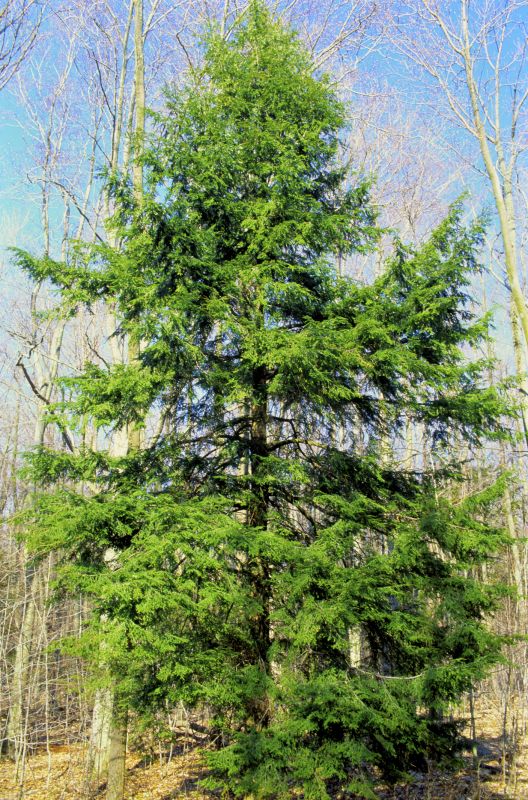
Hemlock removal services involve the careful elimination of hemlock trees that may pose risks to property safety, aesthetic appeal, or landscape health. These services typically cover projects such as removing hazardous or overcrowded hemlocks, clearing space for new landscaping, or managing infected trees to prevent the spread of pests or disease. Property owners often seek this service to maintain a safe environment, improve curb appeal, or address concerns about tree health and stability.
Before requesting hemlock removal, property owners should consider factors like the size and location of the trees, potential impacts on surrounding structures or vegetation, and any local regulations or permits that may apply. Understanding these elements helps ensure the removal process is safe, efficient, and compliant with community guidelines. Proper planning can also aid in determining whether removal is necessary or if alternative solutions, such as pruning or treatment, might be appropriate.
Many property owners in Newark, DE look into Hemlock Removal for repairs, replacements, upgrades, and appearance-related improvements.
Reasons To Remove Hemlocks
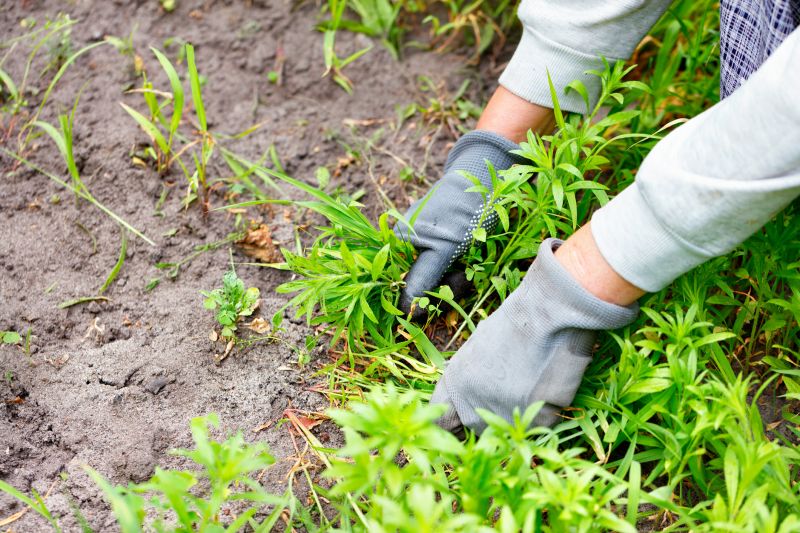
Removing damaged or diseased hemlocks can improve the safety and appearance of your property.
Hemlock Removal Process
Professional removal involves careful planning to prevent damage to surrounding landscape and structures.
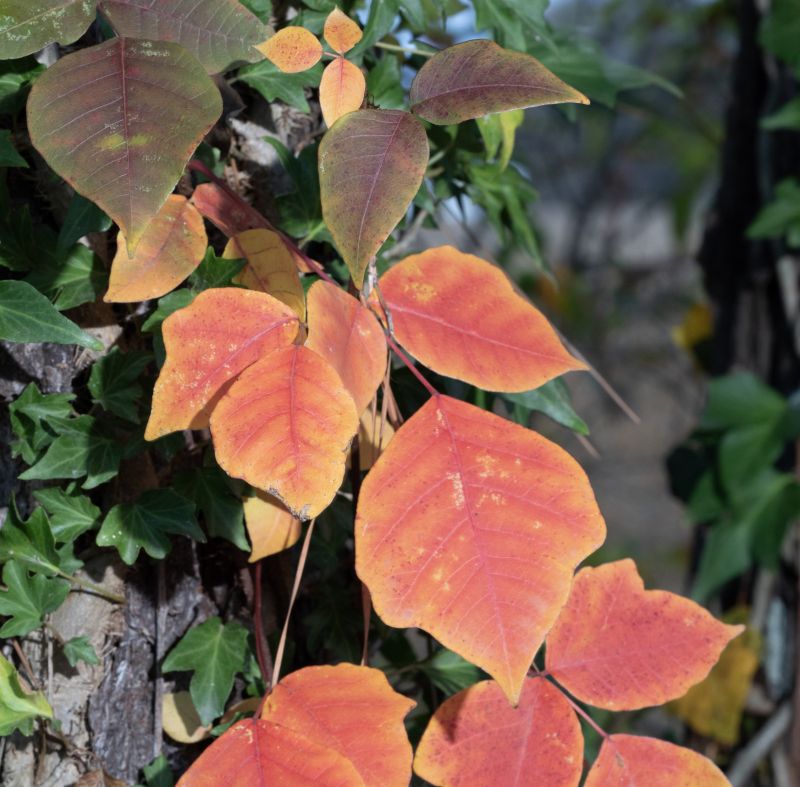
Post-Removal Landscape Tips
After removal, consider planting new trees or shrubs to restore your yard's aesthetic and value.
Hemlock Removal in Newark, DE

Hemlock removal services involve the careful elimination of hemlock trees that may pose risks to property safety, aesthetic appeal, or landscape health. These services typically cover projects such as removing hazardous or overcrowded hemlocks, clearing space for new landscaping, or managing infected trees to prevent the spread of pests or disease. Property owners often seek this service to maintain a safe environment, improve curb appeal, or address concerns about tree health and stability.
Before requesting hemlock removal, property owners should consider factors like the size and location of the trees, potential impacts on surrounding structures or vegetation, and any local regulations or permits that may apply. Understanding these elements helps ensure the removal process is safe, efficient, and compliant with community guidelines. Proper planning can also aid in determining whether removal is necessary or if alternative solutions, such as pruning or treatment, might be appropriate.
Many property owners in Newark, DE look into Hemlock Removal for repairs, replacements, upgrades, and appearance-related improvements.
Common Hemlock Removal Jobs
Hemlock Tree Removal - safely removes hazardous or unwanted hemlock trees from residential properties.
Hemlock Thinning - reduces tree density to improve health and prevent overgrowth.
Hemlock Stump Grinding - grinds down stumps to clear space and prevent regrowth.
Hemlock Pruning - trims branches to promote healthy growth and maintain tree shape.
Hemlock Disease Management - addresses infestations or health issues affecting hemlock trees.
Hemlock Clearing - removes entire stands of hemlocks for property renovation or safety reasons.
Hemlock Removal Questions
What are the benefits of Hemlock removal? Removing Hemlock trees can improve safety by reducing the risk of falling branches and can enhance the overall appearance of the property.
When is the best time to remove Hemlocks? Hemlock removal is typically performed during dormancy periods in late fall or winter for minimal impact on surrounding plants.
What should property owners consider before Hemlock removal? It's important to assess the tree's location, size, and health to determine the most appropriate removal method and minimize disruption.
Are there alternatives to complete Hemlock removal? Pruning or selective thinning can sometimes address specific concerns without full removal, depending on the situation.
Request Hemlock Removal in Newark, DE
Use the quote form on this page to share the basics of your project and request more information for the type of work you need.